Reposted from September 2014
Guide to the series: Historic Crimes: Repentance and Reparation
Part 1
Part 2
Part 3
----------------------------------------------------------
In my
last two posts
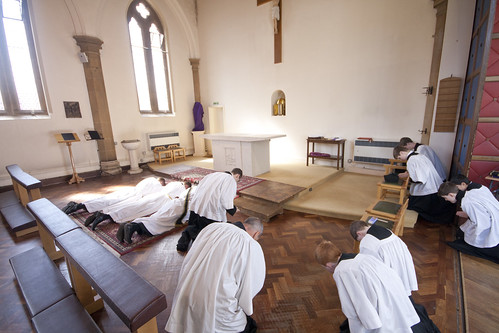
I wrote about what our response can and should be to crimes, not personal crimes we have committed but those of the past (and for that matter of the present) which have, as it were, defiled the Church. Here I want to say a little more about the form reparation can take in practice.
Here, again, is something relevant from Shakespeare. In his
The Rape of Lucrece, Lucrece confesses her rape by Tarquin to her husband and father, and then commits suicide in front of them, plunging a knife into herself. Shakespeare describes what happens to her blood.
And bubbling from her breast, it doth divide
In two slow rivers, that the crimson blood
Circles her body in on every side,
Who, like a late-sack'd island, vastly stood
Bare and unpeopled in this fearful flood.
Some of her blood still pure and red remain'd,
And some look'd black, and that false Tarquin stain'd.
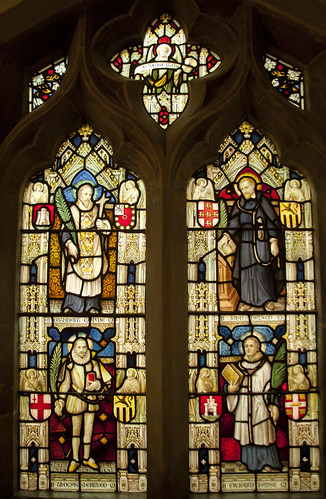
The idea here is that she did have some measure of guilt for what had occurred, and her death is a kind of expiation. It makes most sense, at least to a Christian reader, on Clare Asquith's reading: that Lucrece represents the English community, which in part remained faithful and in part apostatised under pressure from the Protestant Revolt. The shedding of the blood of the martyrs, which Shakespeare's description of Lucrece's suicide suggests, was a kind of expiation of the apostasy. The faithfulness of few, a faithfulness to death, in this way made up for the faithlessness of others. It makes the reconciliation of the whole country, the 'late-sacked island', more possible.